TEACHING PHILOSOPHY
In my classroom I foster a culture of interdisciplinarity and innovative project-based learning in an atmosphere of openness and commitment to diversity. I focus on conveying the image of the world in terms of relationships and systems while the role of the designer as that of an inventor and facilitator of interactions. In this human-centered approach, the design is a service enabling human agency and expansion while bringing people and technologies together in delightful ways. I enrich this process by introducing the students to the concepts of identity, sustainability, global art and design through the lenses of history and critical thinking.
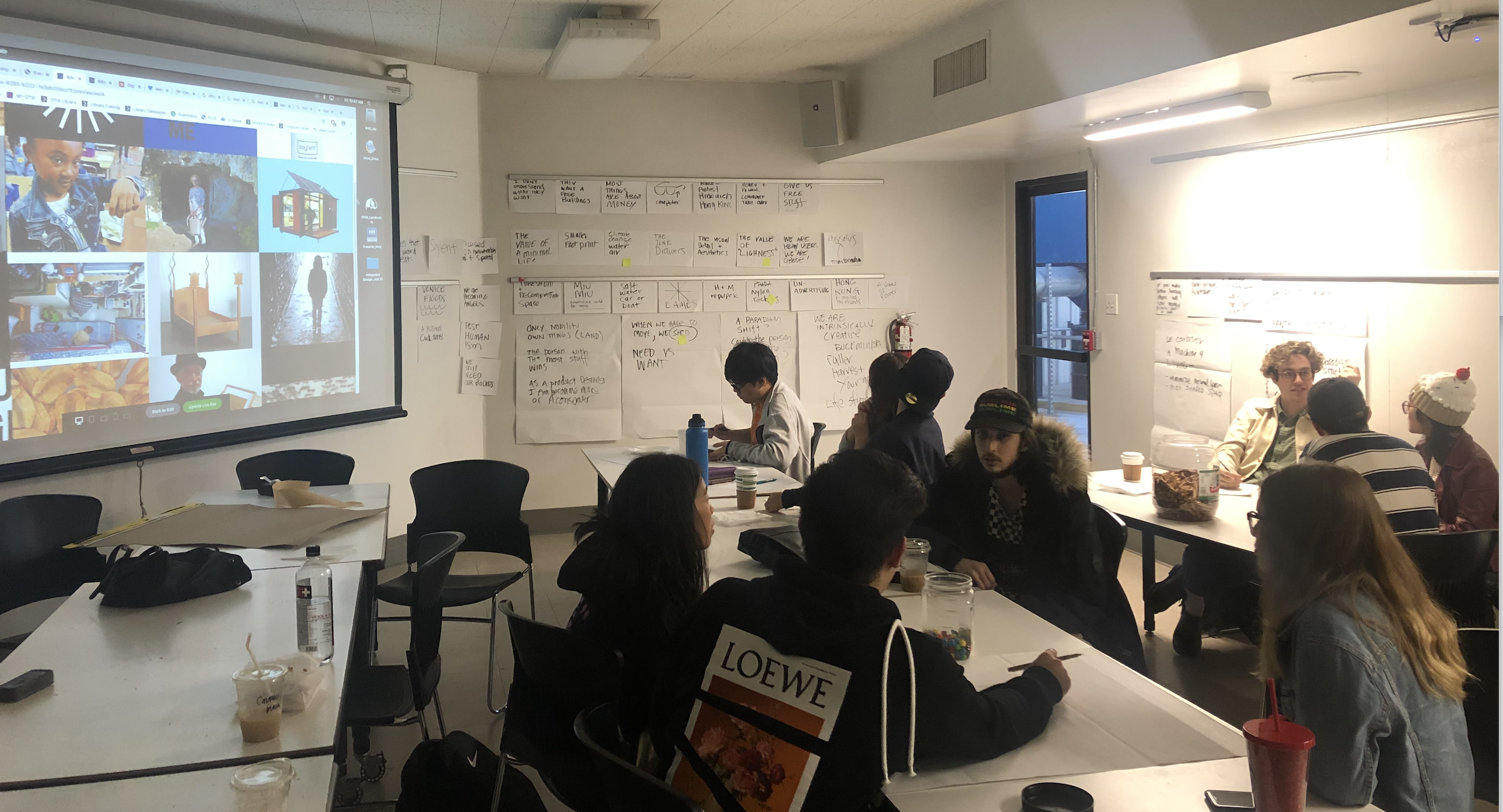
CURRENT CLASSES
Special Topics in Human Factors
Game Theory
Science Driven Designing
Imagination and the Brain
Identity in Networked Media
PAST CLASSES
History of Product Design
History of Film and Media
Senior Product Design Studio
Neighbour Gap Bridge: Experimental Pedagogy
Entrepreneurial Launchpad
Entrepreneurial Internship
Computer Aided Graphics: Inclusive Entrepreneurship
Computer Aided Graphics: Ocean Sustainability
Introduction to Animation and Motion Graphics
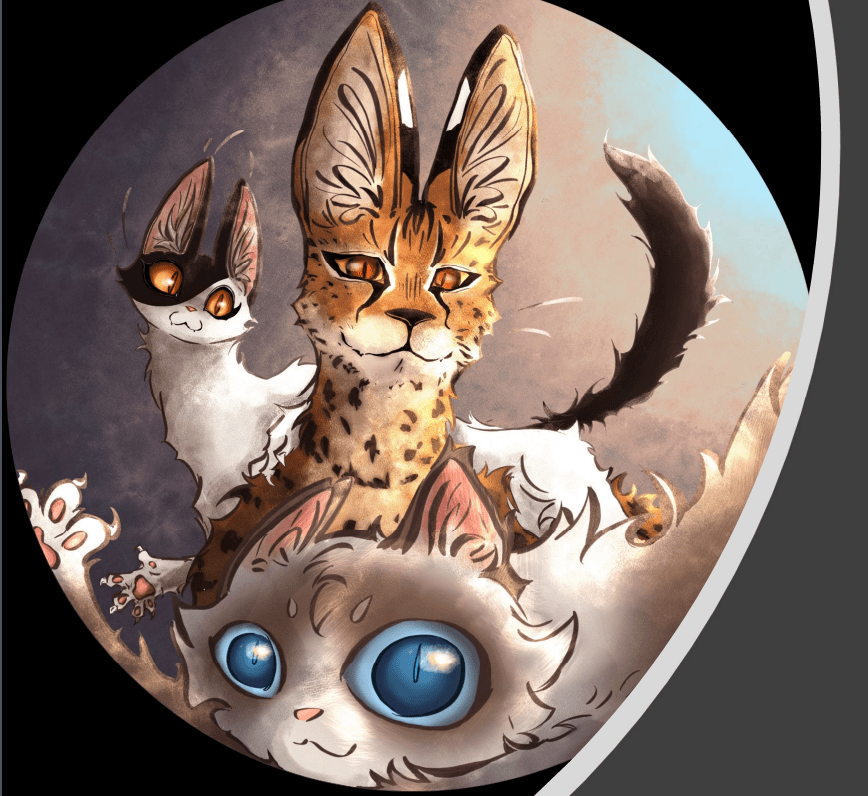
Student Work: Jody Zheng, 2023
GAME THEORY
Interactivity + User Experience + Social Engagement
Video games have been pronounced the new medium of the twenty-first century, the new cinema, the coming together of art, media, and interactivity. At the turn of this century the sales from video games have surpassed film box office revenues. Most of us have played a game and enjoyed it. Many of us would consider themselves serious gamers. Some of us design them.
But what does make a game work? What principles can make or break a game? In this course, you will be introduced to the basics of game theory as well as game criticism. We will look at examples of great games that got some of these points right. We will further relate our findings to your practice as a designer. In this process, you will explore new approaches to getting ideas, you will consider types of games best suited for your projects, and ways to communicate your design.
LEARNING OUTCOMES:
+ develop technology-inspired, practice-based research to fuel creativity
+ use present day theoretical and technological trends informing game design
+ form critical connections between technological phenomena and design processes
+ form critical and practical understanding of socially responsible practices in the context of games
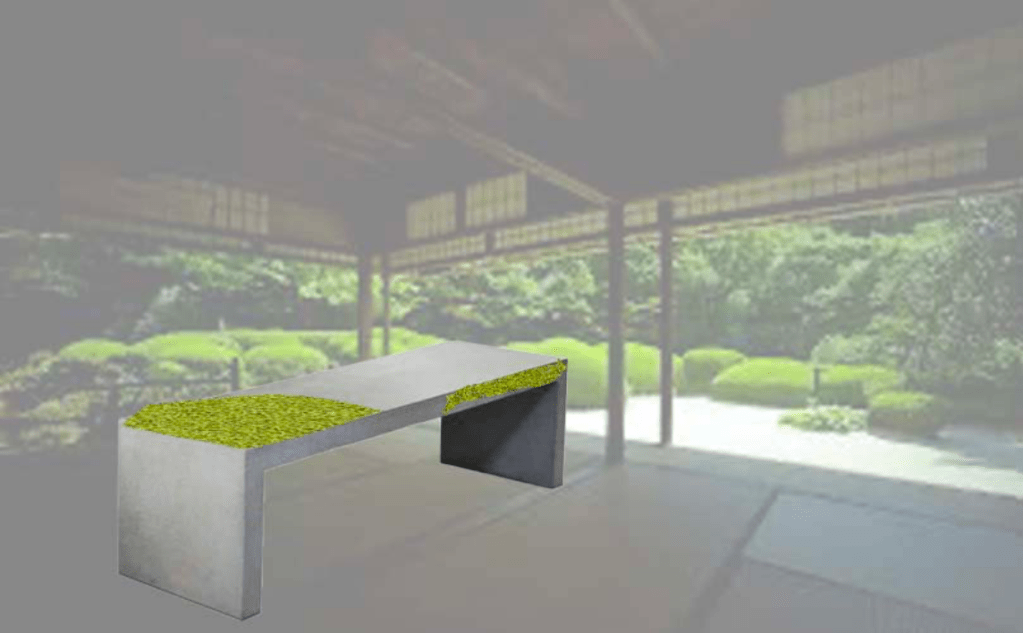
Student Work: Self Reclaiming Bench by Aidan Quigley, 2022
Science driven Designing
Innovation + Sustainability + Future Design
Being an effective designer in today’s world requires a vision and understanding of the rapid cultural and technological changes, which we are undergoing every day. The future is now. In this course, we examine the latest developments in science, technology and media to gain an understanding of existing trends. The students examine present day issues in science and technology ripe for design innovation and through project-based research and development invent new applications.
LEARNING OUTCOMES:
+ project-based research and development of innovative design concepts
+ ability to form critical connections between science, technology and design.
+ new strategies for sustainable design
+ critical ability to project trends to design socially responsible future solutions
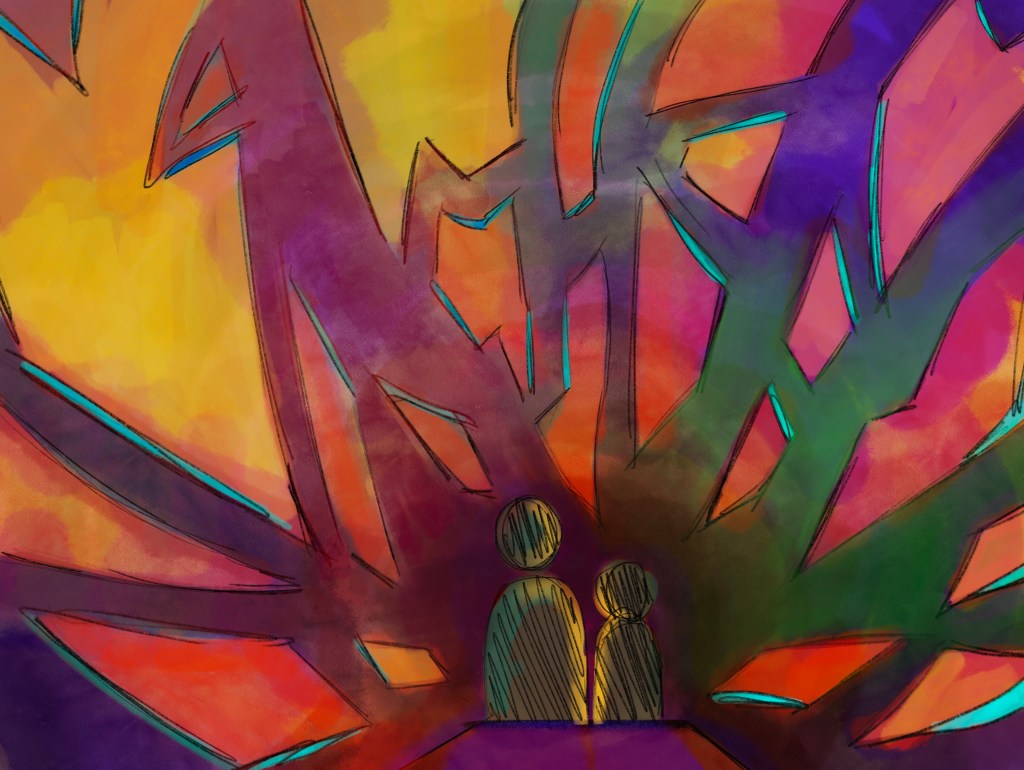
Student Work: Fragments of Universe by Aethier Kouzi, 2022
imagination and the brain
Creativity + Neurodiversity + Science and Design
This project-based course examines different facets of imagination as it connects to the activities of the brain. From a larger perspective, we’ll look at how imagination supports and often makes possible different functions of our mind. Why can you imagine a new space monster, but not a new color? The worlds you can imagine are shaped by the way the brain constructs imagery. This course considers effectively how mental images leave their traces in the art you make.
LEARNING OUTCOMES:
+ developing an understanding of the processes in which human mind and imagination function and are used in every day life
+ critical application of scientific concepts to student field of art/design interest
+ development of techniques to research, think critically and develop new design concepts celebrating the uniqueness of everyone’s mind.

identity in networked media
Identity + Diversity + Media Technology
This project-based course examines theories of identity in the context of twentieth and twenty-first century histories of social change. Social media, the web, AR, VR, and human interaction with mobile platforms is examined as staging ground for realizing new hybrid expressions. These concepts serve as a base for discussing networked identities as we look towards new digital narratives of the self and addressing design issues from the perspective of ethical and responsible social engagement.
LEARNING OUTCOMES:
+ introduction to diverse cultural perspectives through the history of the last century and the beginning of the current century.
+ techniques to do research, think critically and develop new concepts in digital media practice and digital humanities
+ strategies for linking and developing theoretical concepts within contemporary culture and as they apply to student practice
 Blanka Deroko